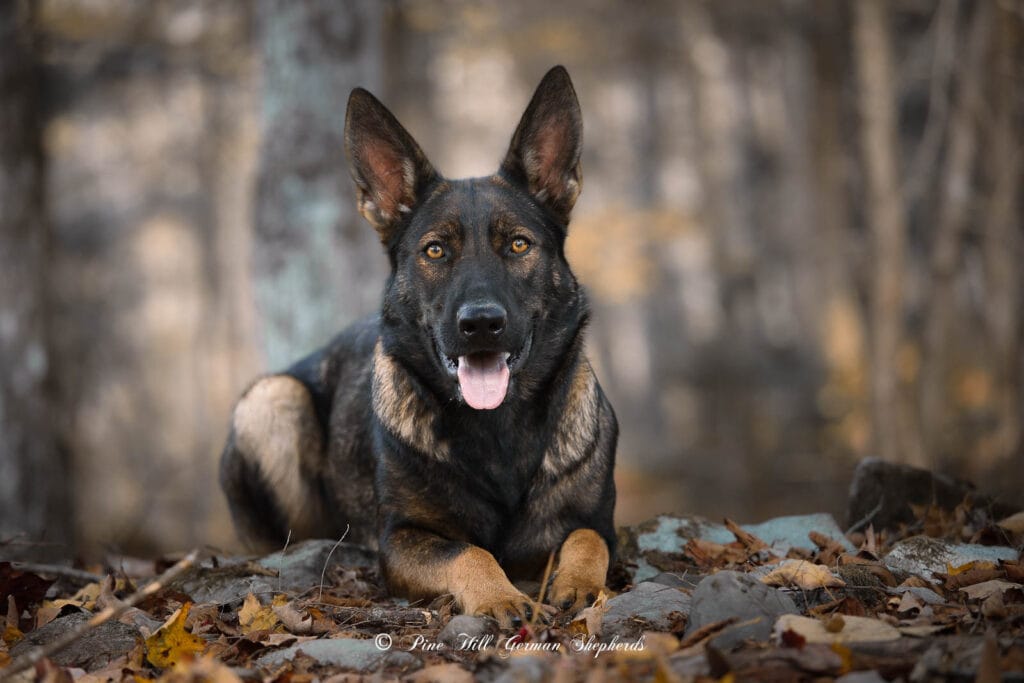

Training your dog to stay in the down position is one of the most valuable commands you can teach. It’s not only a foundation for good behavior, but it also ensures your dog stays calm and under control in various situations. Whether you’re looking to improve your dog’s obedience, prevent unwanted behaviors, or just have a well-behaved companion, the down stay is a crucial skill. Here’s a step-by-step guide on how to train your dog to master the “down stay” command.
Why Train the Down Stay Command?
The down stay is an essential command because it helps you:
- Promote calm behavior: A dog in the down position is naturally less likely to be overly excited or disruptive.
- Improve focus and attention: The down stay requires your dog to focus and resist distractions, building their impulse control.
- Set boundaries: It’s a great way to control your dog’s movements in environments like parks, when guests arrive, or during meals.
- Enhance bonding: Training sessions foster communication between you and your dog, strengthening your relationship.
Step-by-Step Guide to Teaching the Down Stay Command
Step 1: Teach the Down Command
Before you can move on to the “stay” portion, your dog needs to understand the “down” position. If your dog doesn’t already know this command, start by:
- Get their attention: Hold a treat in your hand and show it to your dog. Make sure it’s something they really like!
- Lure them into position: Slowly lower the treat to the ground between their front paws. As their body follows the movement, they’ll naturally lie down.
- Mark the behavior: As soon as they are in the down position, say “Down” and reward them with the treat. Be consistent with your word choice.
- Repeat: Do this several times until your dog associates the word “down” with the action of lying down.
Once your dog is reliably following the treat to lie down, you can proceed to the next step: adding the stay command.
Step 2: Introduce the Stay
- Ask your dog to go into the down position. Once your dog is in the down, give them the command “Stay” in a calm, firm voice. You can use a hand signal, like an open palm facing your dog, for added clarity.
- Begin with short stays: Start with just a few seconds. Stand still, and hold the “stay” for a brief moment before rewarding them with praise and a treat. Keep your body relaxed but firm.
- Increase the duration gradually: Once your dog is staying for a few seconds, you can begin to slowly increase the time. It’s important not to rush this stage—build the duration gradually so your dog learns to stay calm and patient.
- Use a release word: It’s important to give your dog a clear signal when the stay is over. Use a word like “OK” or “Release” to signal that they are free to move. This prevents confusion and teaches your dog when the stay has ended.
Step 3: Add Distractions
Once your dog is able to stay in the down position for an extended period of time without getting up, you can begin adding distractions to test their impulse control.
- Start with minimal distractions: Try moving around your dog, walking a few steps away, or using a soft voice to talk to them. Keep rewards high-value, like treats or toys, to maintain their attention.
- Increase distractions gradually: As your dog gets better at staying, increase the distractions—this could include other people, other dogs, or noisy environments. You can also start adding more movement and distance between you and your dog.
- If your dog breaks the stay: If your dog gets up or moves before being released, calmly and gently guide them back into the down position and start over. It’s important not to scold or punish them—just calmly reset the behavior and give them a chance to try again.
Step 4: Practice in Different Environments
One of the most important parts of teaching the down stay is proofing the behavior in various environments. A dog that only knows the down stay in your living room may not be able to perform it in the park, around other dogs, or at the vet.
- Start in familiar, quiet places: Start training in a calm environment where your dog is less likely to be distracted.
- Slowly introduce new environments: Practice in different rooms of your house, in your yard, or on a walk. This helps your dog generalize the behavior and learn that the down stay means the same thing no matter where they are.
- Practice with distractions: Over time, add more challenges. This could mean practicing with toys around, people walking by, or other dogs in the area. Keep rewarding your dog for staying calm.
Common Challenges and How to Overcome Them
1. Your dog is too excited to stay down.
- Solution: Before you ask for a stay, help your dog calm down by engaging in some relaxation exercises, like asking for simple behaviors such as sit or down. If your dog is still over-excited, practice in a quieter, less stimulating environment first.
2. Your dog gets up during the stay.
- Solution: If your dog breaks the stay, calmly bring them back to the down position. Avoid punishment—keep the training positive. Increase the difficulty gradually, and don’t expect perfect stays right away.
3. Your dog gets distracted easily.
- Solution: Start with shorter sessions in low-distraction environments, then slowly increase the level of distraction as your dog becomes more reliable. Use high-value treats to keep their attention, and keep training sessions brief but frequent.
Tips for Success
- Keep training sessions short and sweet: Dogs have limited attention spans, so aim for 5-10 minute training sessions a few times a day.
- Be patient and consistent: Consistency is key. Use the same commands, body language, and tone of voice every time you train.
- Use positive reinforcement: Reward your dog with praise, treats, or toys when they get it right. Positive reinforcement encourages them to repeat the behavior.
- End on a positive note: Always finish training on a success, even if that means reducing the difficulty level. This helps keep your dog motivated and confident.
Conclusion
Training your dog to master the down stay command requires patience, consistency, and plenty of practice. But once your dog learns to stay calm and in position, it can make a huge difference in your daily life together. Whether it’s preventing your dog from jumping on guests or ensuring they stay safe in public spaces, the down stay is an invaluable tool in your training toolbox.
Remember to be patient, celebrate the small victories, and enjoy the process of building a stronger bond with your dog. Happy training!