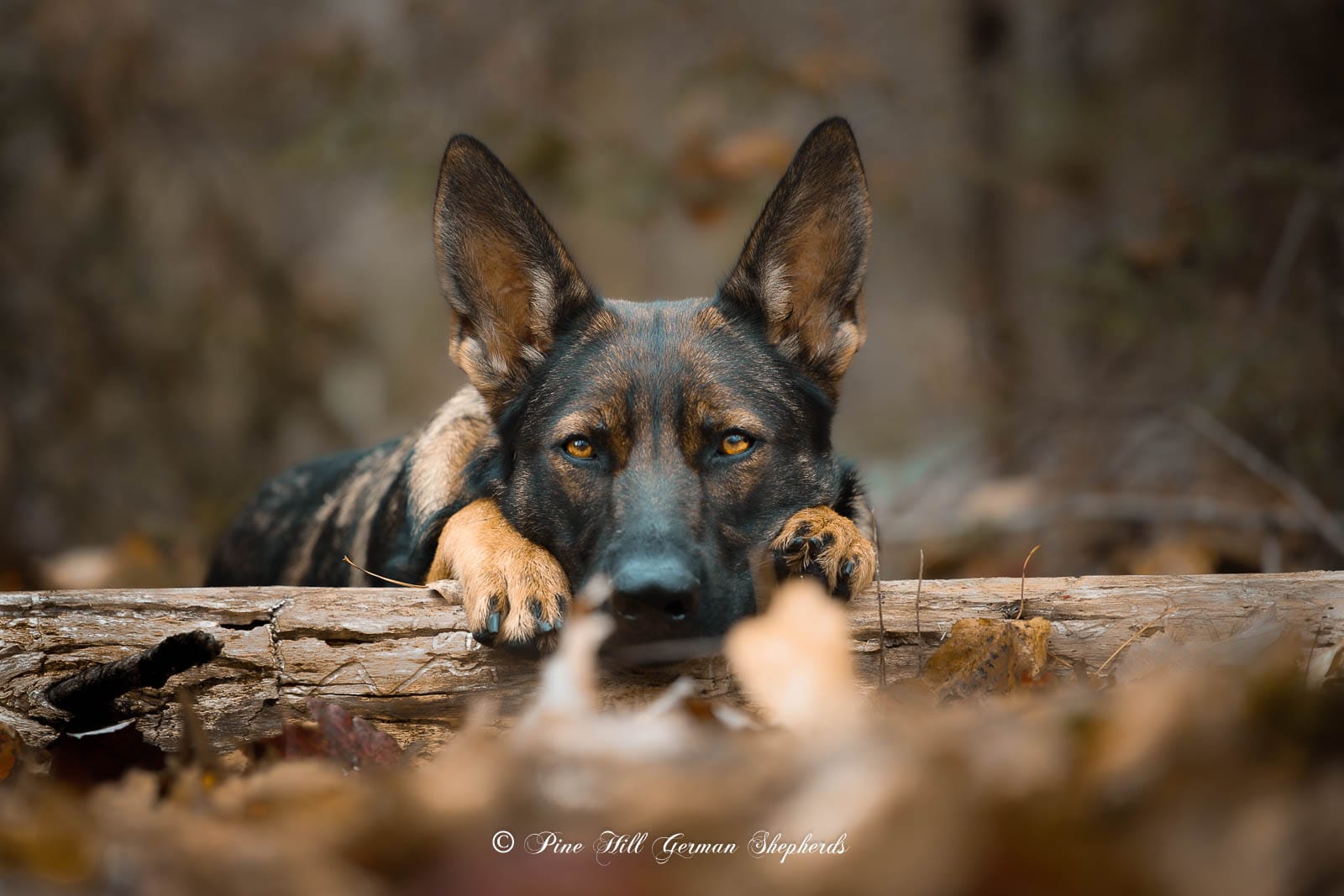
Understanding German Shepherd temperament before you bring one home is one of the most important steps in making sure the breed is actually the right fit for your household. This is a breed with real substance, both physically and mentally, and while that makes them exceptional working partners and family companions, it also means they are not the right choice for every home. Knowing what to expect, and why, helps set the relationship up for success from day one.
What the Breed Standard Actually Says
German Shepherd temperament is not just a matter of opinion or individual personality. It is written directly into the breed’s official standard. The American Kennel Club’s standard describes the breed’s personality as direct and fearless, and the United Schutzhund Clubs of America standard, which follows the breed’s original German standard, describes a correctly tempered German Shepherd as well balanced, self assured, good natured, and attentive, with strong nerves as a core requirement of the breed. Poor nerve or a lack of confidence is considered a serious fault, not a minor quirk, which tells you how central stable temperament is to what this breed is supposed to be.
In practice, that standard translates into a dog that is confident without being reckless, alert without being reactive, and willing to work closely with its handler rather than acting independently of them.
Confidence and Alertness
A German Shepherd with correct temperament is naturally watchful. These dogs tend to notice changes in their environment quickly and often display a certain level of aloofness toward strangers, which is considered normal and even desirable rather than a behavioral problem. This alertness is part of what makes the breed such an effective working and protection dog, but it also means a German Shepherd benefits enormously from early socialization so that natural watchfulness develops into calm awareness rather than anxiety or overreaction.
Loyalty and the Handler Bond
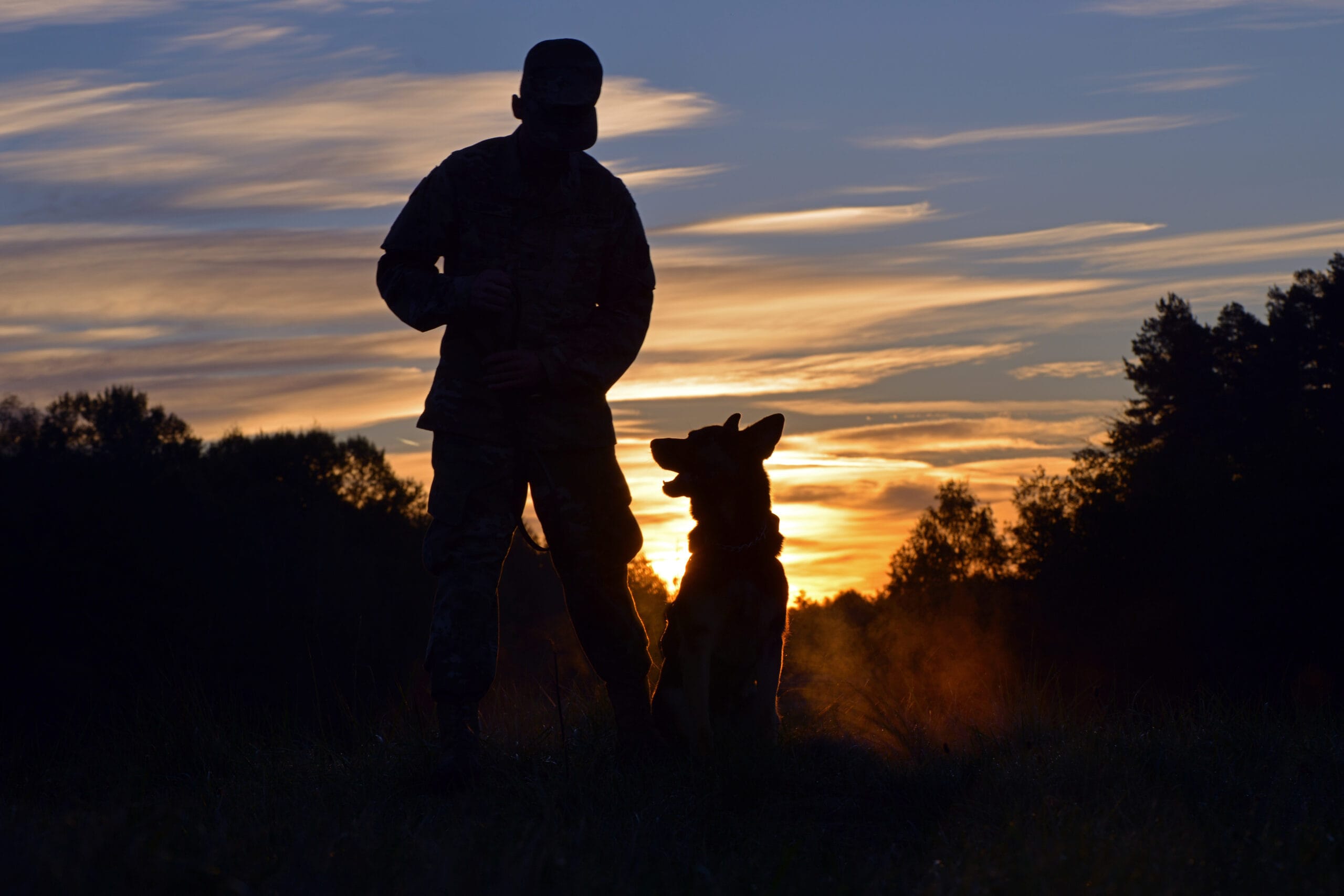
German Shepherds are known for forming a strong bond with their people, and this closeness is a defining part of the breed’s temperament. A correctly bred German Shepherd wants to work with its handler, not just near them, which is part of why the breed excels in obedience, protection work, and service roles. That same loyalty is what makes them such devoted family companions, but it also means they generally do not thrive being left alone for long stretches or excluded from daily family life.
Drive and the Need for an Outlet
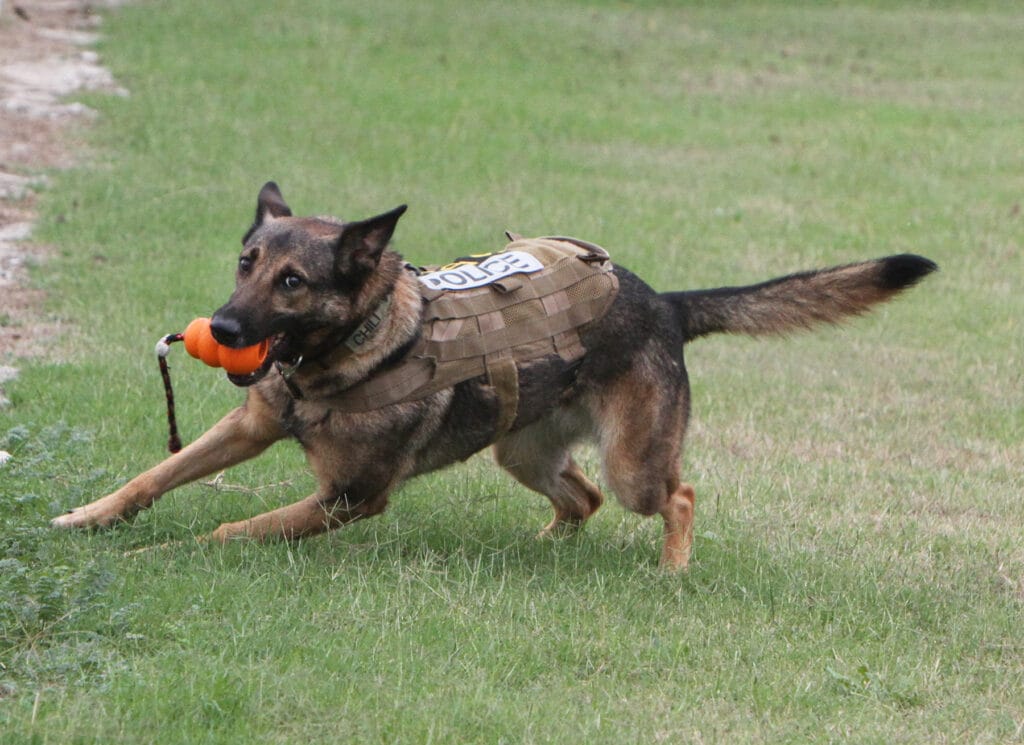
Temperament and drive are related but not identical. A German Shepherd with correct temperament can still carry significant working drive, meaning a genuine need for a job, whether that is structured training, exercise, or mental stimulation. Without an appropriate outlet, that drive can show up as restlessness, destructive behavior, or excessive barking, not because the dog has a temperament problem but because its needs are not being met.
This is one of the most important things for a prospective family to understand. A German Shepherd with excellent, correct temperament can still be a poor fit for a household that cannot provide the exercise, structure, and engagement the breed needs on a daily basis.
Why Temperament Varies So Much Between Lines and Individual Dogs
Not every German Shepherd displays the same temperament, even within a litter, and lines bred primarily for intense working drive can produce dogs with far more intensity than a family home may be prepared for. This is exactly why breeder selection matters so much. A responsible breeder evaluates temperament in the parents and in each individual puppy, and can speak specifically to where a given dog falls on the spectrum between working intensity and household manageability, rather than assuming every puppy in the litter will suit every kind of home.
Setting a German Shepherd Up for Success
Correct temperament gives a German Shepherd the genetic foundation to be confident, stable, and trustworthy, but training and socialization are what bring that foundation to life. Early, consistent exposure to new people, environments, and situations helps a puppy grow into an adult that is watchful without being fearful or reactive. Structured training gives the dog’s natural drive somewhere productive to go, which is often the difference between a German Shepherd that is a joy to live with and one that struggles to settle.
Our Approach to Temperament
We evaluate temperament as closely as we evaluate health and structure in every dog in our program, because we believe correct temperament is the foundation everything else is built on. We know the personalities of our parent dogs intimately, and we watch each puppy’s individual temperament develop from an early age so we can match it honestly to the right kind of home, whether that home is looking for a serious working partner or a devoted family companion.
Sources: American Kennel Club, Official Standard of the German Shepherd Dog United Schutzhund Clubs of America, Breed Standards United Kennel Club, German Shepherd Dog Breed Standard