Understanding the Different Coat Types of German Shepherds
German Shepherds are one of the most beloved and versatile dog breeds in the world, known for their intelligence, loyalty, and striking appearance. One of the most fascinating aspects of German Shepherds is their varied coat types. While many people are familiar with the classic “short-haired” version, the breed actually comes in several coat variations, each with its own unique qualities. In this blog post, we’ll explore the different coat types of German Shepherds and what you need to know about them.
1. The Classic Short Coat (Smooth Coat)
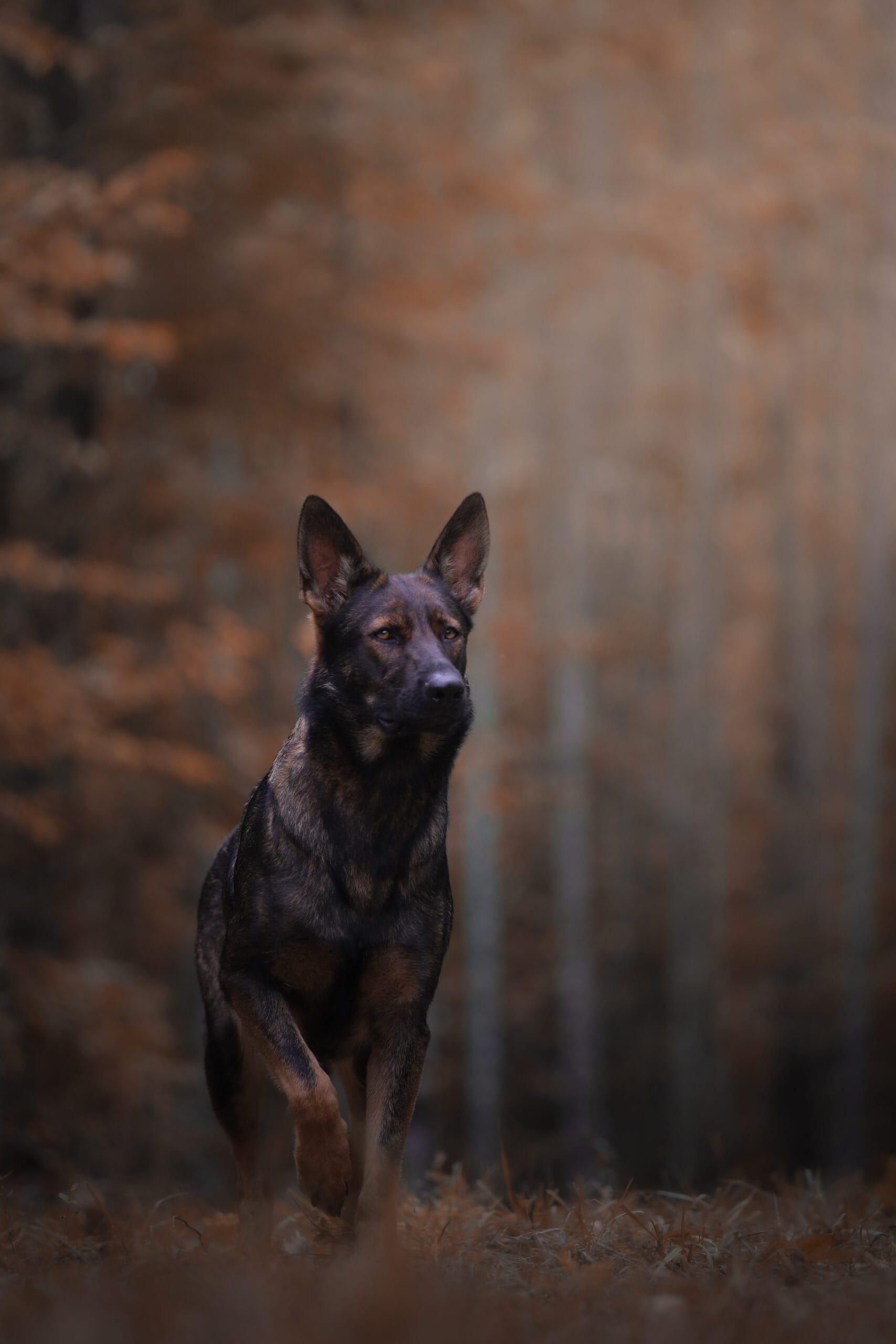
The most common and recognizable coat type of the German Shepherd is the short coat, sometimes referred to as the “smooth coat.” As the name suggests, this coat is relatively short, lying flat against the body. The hair is dense and double-layered, with a soft undercoat that helps insulate the dog against the elements.
Characteristics of the Short Coat:
- Length: Short to medium length, lying close to the body.
- Maintenance: Moderate. While the coat is short, it still sheds seasonally, so regular brushing (a couple of times a week) helps to control shedding and keep your dog’s coat healthy.
- Appearance: The short coat gives the German Shepherd a sleek, athletic look that emphasizes their muscular build.
- Weather Adaptability: While not as insulating as longer coats, the short coat is suitable for most climates and is especially favored by people living in warmer areas.
Ideal For: Families who prefer a lower-maintenance coat and live in moderate climates. The short coat is also easier to manage in terms of grooming, making it a good choice for those with busy lifestyles.
2. The Long Coat
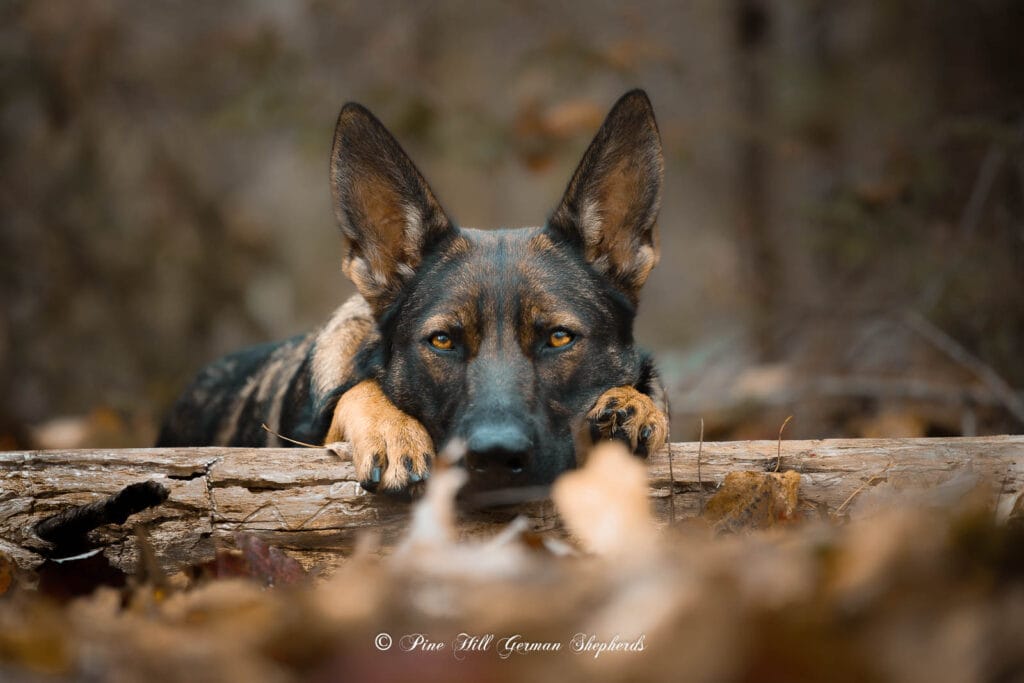
The long coat German Shepherd is a striking version of the breed that stands out due to its longer, flowing fur. Unlike the short coat, this version has noticeably longer hair on the body, with particularly long hair around the chest, neck, and tail.
Characteristics of the Long Coat:
- Length: Long and flowing, particularly around the neck, chest, and underbelly. The coat often has a slightly wavy texture.
- Maintenance: High. Long-coated German Shepherds require more frequent grooming—at least 2-3 times a week—to prevent mats and tangles, especially in areas with longer fur like the underarms and behind the ears. During shedding seasons (spring and fall), regular brushing becomes essential to control the hair around the home.
- Appearance: The long coat gives the dog a more luxurious, elegant appearance. It can make German Shepherds appear more “wolf-like” and are often described as looking “majestic.”
- Weather Adaptability: The long coat offers more insulation, which can help the dog stay warm in colder climates. However, it’s important to note that these dogs can still get hot in summer, so proper care should be taken during warmer months.
Ideal For: Owners who are willing to commit to regular grooming and live in cooler climates. Long-coated German Shepherds also tend to be good family pets for those who appreciate their distinctive appearance.
3. The Plush Coat
A middle ground between the short and long coat types is the plush coat. This coat type is characterized by a medium-length fur that is dense and soft, with a thick undercoat. Plush-coated German Shepherds have a fuller appearance than short-coated dogs, but the coat doesn’t reach the length or maintenance requirements of the long coat.
Characteristics of the Plush Coat:
- Length: Medium length, with a soft undercoat. The fur may not be as long as the long coat, but it still provides a fuller look than the short coat.
- Maintenance: Moderate to high. The plush coat requires regular brushing to prevent matting, but it’s not as high-maintenance as the long coat. Weekly grooming should be sufficient for most dogs, though during shedding periods, more frequent brushing is recommended.
- Appearance: The plush coat gives the German Shepherd a fuller, rounder look compared to the sleek appearance of the short coat. These dogs tend to look slightly “fluffier.”
- Weather Adaptability: The plush coat offers good protection against both heat and cold. It provides moderate insulation, making these dogs adaptable to a range of climates.
Ideal For: Those who like the look of a longer coat but don’t want the upkeep of a fully long-haired dog. Plush-coated German Shepherds are a good option for families who want a balance of appearance and grooming ease.
4. The Coats and Colors: A Quick Note on Variety
While the coat length is the primary distinguishing feature, German Shepherds come in a variety of colors and markings, which can further influence the overall appearance of their coat. The most common coat colors are:
- Black and Tan: The traditional and most recognizable color combination for the breed.
- Sable: A wolf-like color pattern with a mix of gray, black, and tan, where the darker color dominates the coat.
- Solid Black: Some German Shepherds are solid black, though this is less common.
- Bi-color: A combination of black and one other color, often tan or red.
- White: A rare but recognized variation in the breed, though white German Shepherds are often considered a separate line of the breed.
The coat colors and markings don’t significantly impact the care or maintenance of the coat but do contribute to the unique look of each dog.
5. Choosing the Right Coat Type for You
When choosing a German Shepherd with the right coat type, it’s important to consider your lifestyle, climate, and the time you’re willing to dedicate to grooming. Here’s a quick guide to help:
- Short Coat: Best for families looking for a low-maintenance dog and living in warmer or more moderate climates.
- Long Coat: Ideal for owners who enjoy grooming and want a German Shepherd with a more luxurious, wolf-like appearance. Long-coated dogs are especially suited for colder climates.
- Plush Coat: A great option for those who want a fuller coat but don’t mind a bit more grooming than a short-haired dog. It provides a nice balance between the long and short coats.
Conclusion
German Shepherds are a versatile and resilient breed, and their coat types are just one of the many fascinating aspects that make them unique. Whether you’re drawn to the sleek, athletic look of the short coat or the majestic, flowing fur of the long coat, each variation comes with its own set of benefits and grooming requirements. No matter the coat type, one thing is for certain—German Shepherds are an intelligent, loyal, and loving breed that make fantastic family companions.
By understanding the different coat types, you can make an informed decision and choose the German Shepherd that’s the best fit for your family’s lifestyle and preferences.