Understanding the Difference: Working Line vs. Show Line German Shepherds
When it comes to German Shepherds, one of the most popular and versatile dog breeds worldwide, there’s an important distinction between two major types: working line and show line. While they both belong to the same breed, their physical characteristics, temperaments, and purposes differ significantly. Whether you’re a prospective dog owner, a trainer, or just a dog enthusiast, understanding these differences can help you choose the right type of German Shepherd for your lifestyle or training goals.
What is a Working Line German Shepherd?
Working line German Shepherds are bred primarily for their performance and drive in various working roles. These dogs are descendants of the original German Shepherds, bred to perform tasks like herding, guarding, search and rescue, and police work. The emphasis in breeding these dogs is on their ability to excel in demanding physical and mental tasks.
Key Characteristics of Working Line German Shepherds:
- Temperament: Working line Shepherds tend to have higher energy levels, stronger drive, and more intense focus than show line dogs. They are highly intelligent, confident, and often more independent. This makes them excellent working dogs, but also means they may be more challenging to handle for first-time owners.
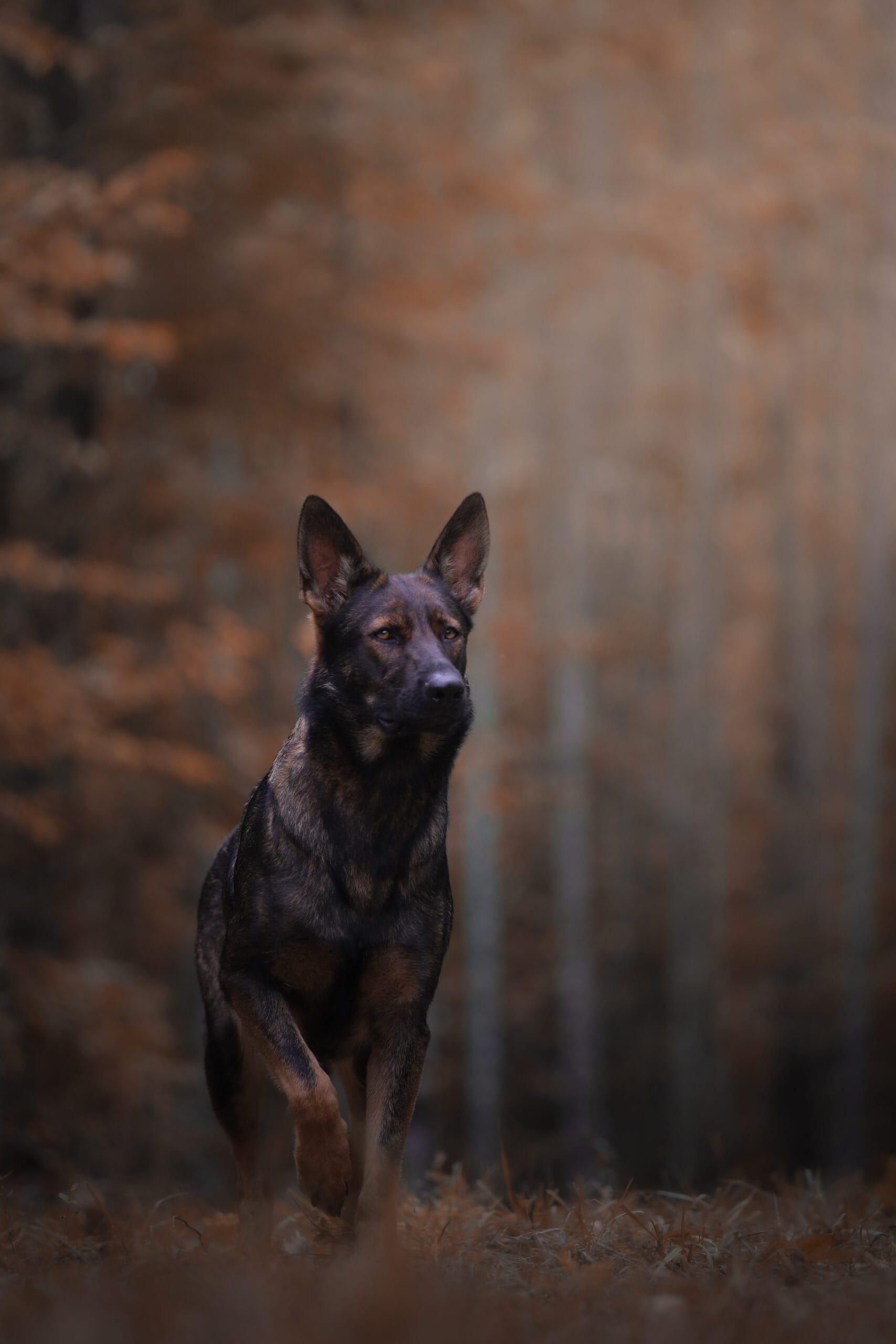
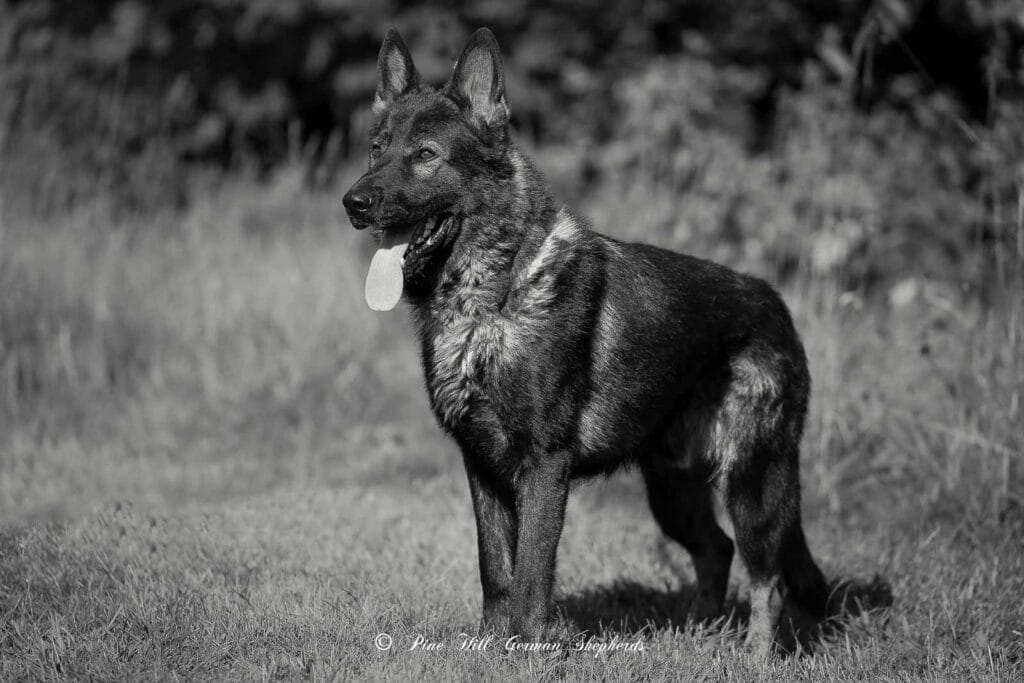
- Physical Build: These dogs generally have a leaner, more athletic build. They are often taller and more angular than show line German Shepherds, with less emphasis on the breed’s traditional appearance standards. Their bodies are built for endurance and agility, rather than conformation.
- Drive and Energy: One of the defining traits of working line Shepherds is their drive. This refers to their desire to work, whether it’s herding, chasing, protecting, or simply performing tasks. These dogs often have a higher energy level and need a lot of mental stimulation and physical activity to stay balanced and content.
- Training: Working line German Shepherds are often easier to train in terms of obedience and tasks, but they can be more demanding due to their high drive. They require consistent, firm, and engaging training from an experienced handler. If not properly trained or mentally stimulated, they may become bored and display undesirable behaviors.
- Health and Longevity: Working line dogs tend to have fewer issues related to breeding for conformation standards (like hip dysplasia or other genetic conditions seen in show lines). Their overall health is often a priority for breeders, as they need robust, active dogs.
Best For:
- Working Dogs: These dogs excel in jobs like police work, military service, search-and-rescue, and service dog tasks. They are also great in high-energy environments such as competitive dog sports.
- Active Owners: Ideal for people who can provide a high level of exercise and mental challenges. Working line dogs require more than just a walk—they thrive when engaged in tasks or activities like agility training, obedience drills, and scent detection.
What is a Show Line German Shepherd?
In contrast, show line German Shepherds are bred with a focus on conformation to breed standards. While these dogs can still be quite athletic and intelligent, their primary purpose is to succeed in dog shows and competitions where breed appearance is the main criterion.
Key Characteristics of Show Line German Shepherds:
- Temperament: Show line Shepherds are typically calmer, more sociable, and better suited for a family environment. While they retain the intelligence and loyalty that the breed is known for, they are generally less intense and easier to manage for first-time dog owners.
- Physical Build: Show line German Shepherds often have a more stocky, substantial build, with a pronounced slope to their back. This is a result of selective breeding for aesthetic purposes, as the breed standard for shows emphasizes certain physical traits like a more level head, thicker neck, and a deep chest. However, this physical structure can sometimes result in mobility issues, such as hip dysplasia, because of the emphasis on conforming to appearance standards rather than function.
- Drive and Energy: Although show line German Shepherds are still quite intelligent and energetic, they typically have a lower drive compared to working lines. This makes them more suitable for family environments or casual obedience training but less suited for high-demand tasks like police work or agility competitions.
- Training: Show line dogs are generally easier to handle when it comes to training. They are more biddable (willing to obey commands) and less demanding than their working counterparts. While they still require regular exercise and mental stimulation, they tend to be less intense and more adaptable to a variety of training methods.
- Health and Longevity: Show line German Shepherds may face more health challenges, particularly related to their conformation, such as joint problems (especially hip and elbow dysplasia) and other hereditary issues. The pressure to conform to a particular aesthetic standard can compromise overall health in some cases.
Best For:
- Families and Companion Dogs: Due to their calmer demeanor and lower drive, show line German Shepherds are often chosen as family pets. They make great companions for active families, though they still need exercise and mental stimulation.
- Dog Show Enthusiasts: Of course, show line Shepherds are bred with dog shows in mind. If you’re interested in competing in breed competitions or conformation events, a show line dog would be more appropriate.
Key Differences at a Glance:
| Feature | Working Line German Shepherd | Show Line German Shepherd |
|---|---|---|
| Purpose | Performance & work-related | Conformation & appearance |
| Temperament | High drive, independent | Calm, biddable |
| Physical Build | Lean, athletic, agile | Stocky, sloped back |
| Energy Level | Very high, needs mental stimulation | Moderate, more adaptable |
| Training Needs | Firm, consistent, experienced handlers | Easier, moderate exercise and training |
| Best For | Active owners, working roles | Families, dog shows |
Conclusion
When deciding between a working line or show line German Shepherd, it’s essential to understand your needs, living situation, and experience level. Working line German Shepherds are perfect for individuals or organizations looking for high-energy, task-oriented dogs with strong working drives. On the other hand, show line dogs are better suited for families or owners who want a loyal, intelligent companion but prefer a more relaxed temperament.
No matter which type you choose, both lines offer the core characteristics that make German Shepherds one of the most beloved breeds in the world—intelligence, loyalty, and a strong desire to work. However, understanding their differences will ensure you find the perfect match for your lifestyle.